How we generate and resolve markets, and where we don't get it right yet
The Clutch Team · Published August 13, 2026
Every day, Clutch turns the news into thousands of yes/no markets, and then has to settle each one against what actually happened. Getting that resolution right is the hardest thing we do, and it is the part your credits ride on. So instead of asking you to just trust it, here is exactly how it works, including the places it still falls short.
This is a long one, but it is the honest version. If a market ever resolves in a way that surprises you, we would rather you understood our process than felt like it happened in a black box.
How we generate markets
Markets do not start with us picking topics by hand. Our AI scans thousands of news sources every day across sports, weather, geopolitics, entertainment, and finance, looking for moments that are genuinely uncertain and worth predicting.
From a headline to a fair question
- Every market is rewritten into a precise, verifiable yes/no question with unambiguous resolution criteria, so there is a clear, checkable answer once reality plays out.
- We generate markets in five languages at once (English, French, Spanish, Portuguese, and Brazilian Portuguese), so no market is a rough translation of another.
- Opening probabilities are calibrated against real-time betting volume, so the odds you see reflect the crowd’s read of the moment, not just our first guess.
- Topics are filtered for relevance, timeliness, and cultural fit per region. What matters in one market is not always what matters in another.
How we resolve markets
When a market closes, a resolution pipeline decides the outcome from real-world data. It does not rely on a single source or a single check.
The checks before a market resolves
- We query multiple independent sources, news APIs, Google Trends, weather APIs, and financial data, rather than trusting any one of them alone.
- A market only resolves when a certainty threshold is met, typically above 85%. If the evidence is not clear enough, it does not auto-settle.
- Resolution runs on a multi-tier system: a strict pass first, then a more lenient pass, and finally escalation to human review when the automated checks cannot agree.
- Before judging, we reformulate the original question into a precise, time-bounded statement, so we evaluate exactly what was asked, not a fuzzy version of it.
- Every resolution stores the evidence URLs it relied on, so each outcome is auditable after the fact.
Where it breaks down (and why we tell you)
No pipeline like this is perfect, and pretending otherwise would just erode your trust the first time you hit an edge case. Here is where things actually go wrong.
- Data-source lag: some providers, like box-office trackers and weather agencies, publish their official numbers hours or even days late, so a market can be waiting on data that does not exist yet.
- Ambiguous wording: “before Aug 5” and “on Aug 5” mean different things, and some of our earliest markets were phrased too loosely. We have tightened this, but older phrasing can still bite.
- Sparse coverage: on niche topics with very little reliable reporting, the model has less to work with and is more likely to get it wrong.
- Geopolitical nuance: a ceasefire that is “claimed” and one that is “officially confirmed” are not the same event, and that distinction can flip an outcome.
- Google Trends is noisier than it looks: the same query can return different results depending on the time window, device, and region it is measured over.
And sometimes sources simply disagree, including when what you are seeing (say, a screenshot) does not match what our pipeline queried. When that happens, we investigate the specific market rather than dismiss it, but official, authoritative APIs are the tiebreaker we settle on. It is not that we think you are wrong; it is that we need one consistent standard applied to every market.
What we are building next
The clearest fix for all of this is transparency, so we are bringing the process into the app itself. The goal: for any market, you will be able to see how it was resolved, the reasoning and the exact sources behind the outcome, so if something looks off, it is obvious where, and easy to contest.
Want the shorter version of how the whole thing fits together? See how Clutch works.
And if a resolution ever looks wrong to you, get in touch. Real cases are how we find the edges and tighten the pipeline.
If you are not playing yet, download the app and put your read of the news to the test.
Related on Clutch
Ligue 1: Will PSG score 3 or more goals against Le Mans on October 10?
54%
Stable · last 24h
Ligue 1: will Paris Saint-Germain be in the top 4 on October 12?

66%
Stable · last 24h
Will Tropical Storm or Hurricane Isaias make landfall on the U.S. mainland in Louisiana, Mississippi, Alabama, or the Florida Panhandle?

37%
Stable · last 24h
Will Nolo be a hurricane?

50%
+1% last 24h
More from the blog

Community resolution is here: settle markets, stake ⚡, win the bounty
Clutch players can now settle closed markets themselves by putting a ⚡ deposit behind the verdict. It is rolling out progressively to a first group of players. Here is who can take part, how proposing and contesting work, how you win, and why we are being careful.
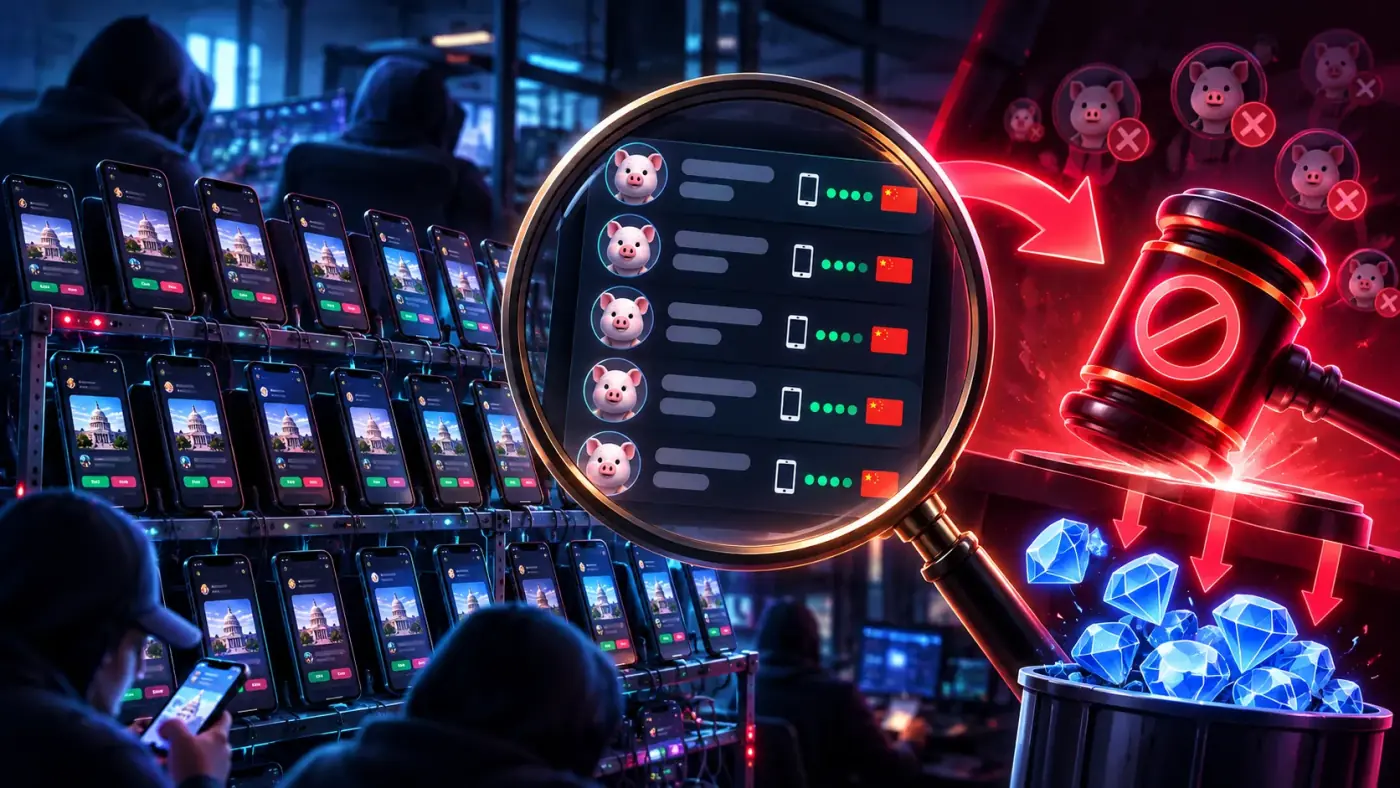
One player, 211 accounts, 2 seconds: how we caught a phone farm cheating on Clutch
Five "players" placed the exact same prediction, in the same order, half a second apart. Then they did it again. And again. Here is the story of how we unmasked a phone farm running 211 fake accounts, and what we did about it.
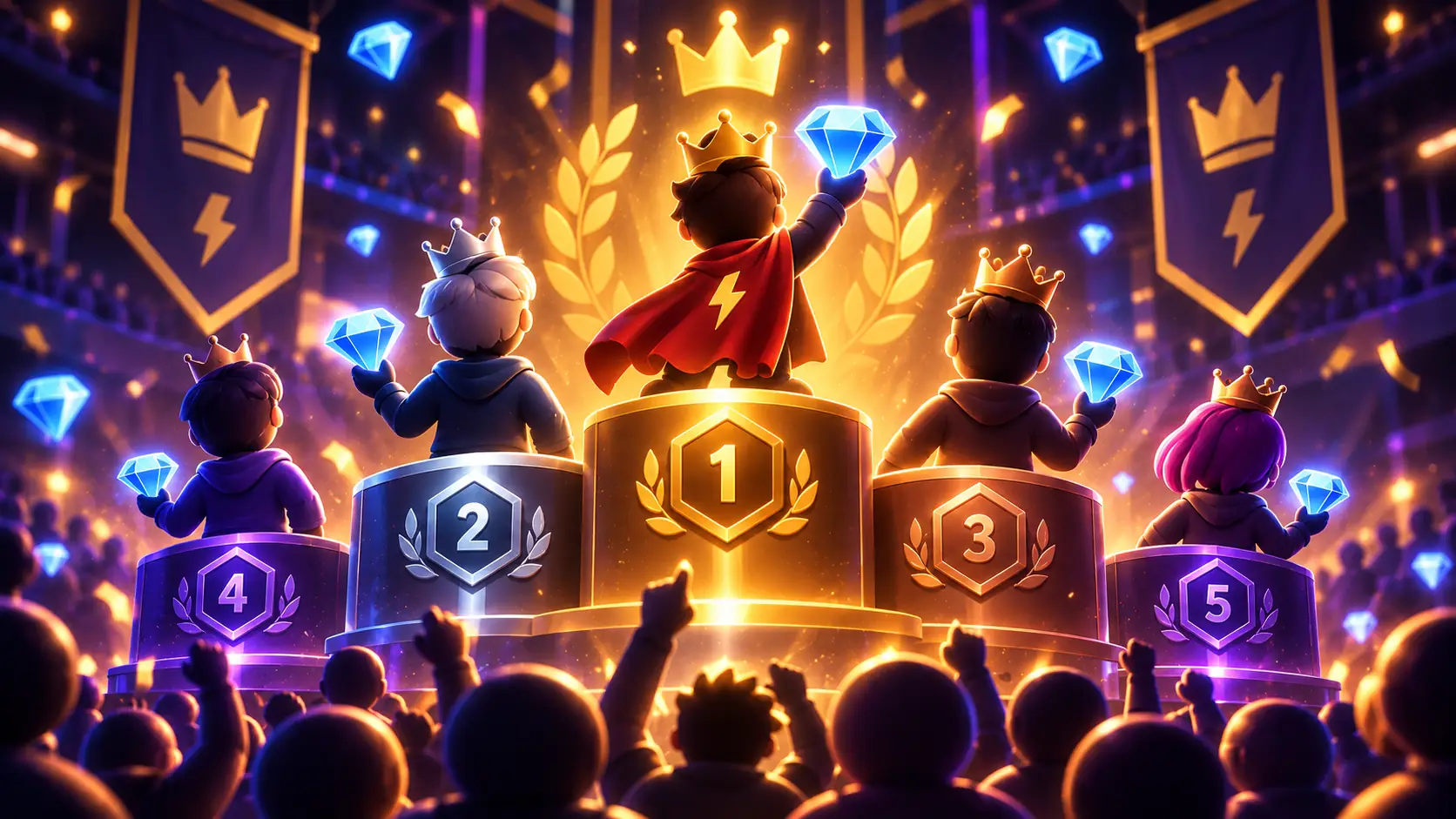
Finish top 5 in your league, win up to 200 Credits
League seasons now come with real rewards: the top 5 of every league win up to 200 Credits 💎, a medal next to their name, and every league you reach unlocks its own avatar emoji. Here’s how it works, and why it pays the same from Bronze to Clutcher.

Play games, earn Credits, a new era for Clutch
You can now play games right from the app to earn free Credits 💎, so you can bet more, win more Points ⚡ and reach real gift cards faster. Here’s why this feature matters, and why it makes Clutch sustainable.

A small team from France
Clutch is built by a small team based in France. We are only a handful of people, and we care a lot about making the best prediction game we can. Every player who shows up pushes us to make it better.
Learn more about Rodger StudioPlay Clutch
Clutch is a free, no-money prediction game. Predict real news and sports with in-app credits, climb your league, and build your track record.